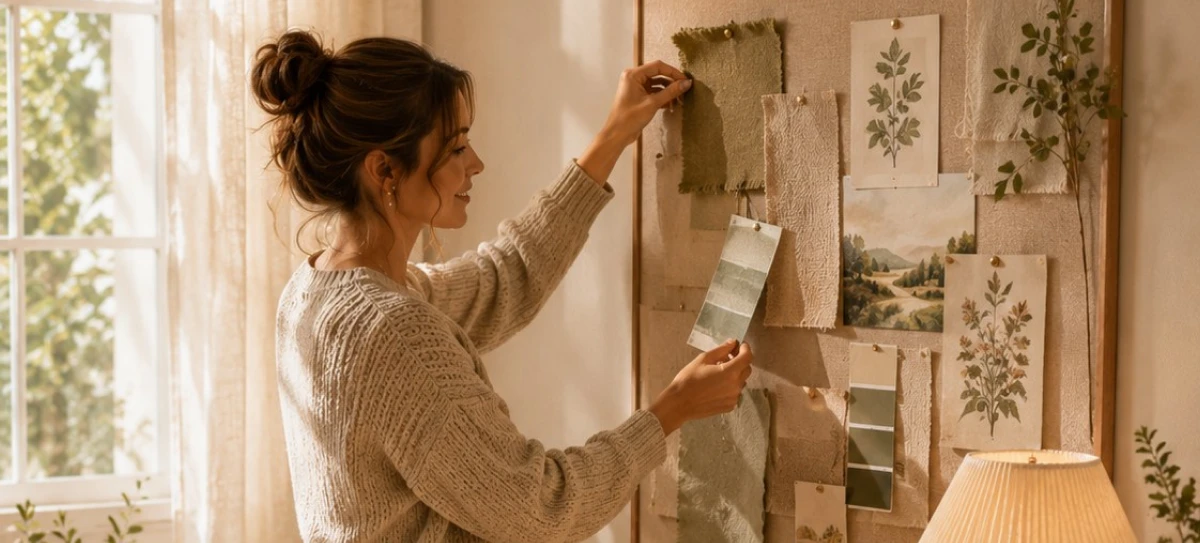
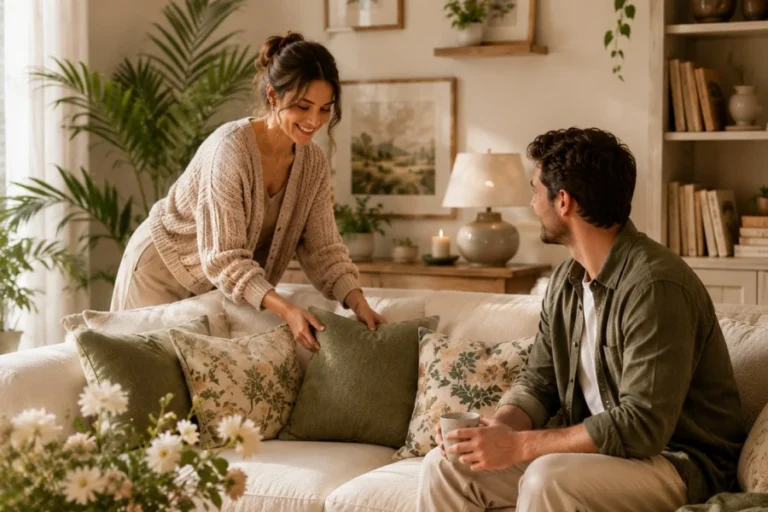
Lived in lounge style is not an excuse for clutter. It is a way of making a room feel relaxed, useful, personal, and easy to reset. The difference matters. A lounge can hold books, blankets, toys, plants, chargers, and daily life while still feeling calm. The secret is giving comfort a system. Surfaces need jobs. Storage needs location. Decor needs breathing room. Seasonal changes need restraint. When those choices work together, the room looks personal without feeling overwhelmed. It feels styled because it supports real evenings, not because every corner is filled. That balance makes the space more human.
Why Lived in Lounge Style Starts with Real Comfort
Real comfort begins by naming how the room is used. A lounge for quiet reading needs different support than a room for family movies. A space that hosts guests needs different surfaces than a solo apartment corner. Start with behavior, then decide what deserves to stay visible. Keep the objects that make daily life easier. Edit the pieces that only add visual noise. This process creates a relaxed standard that is not careless. A relaxed lounge system helps turn comfort into decisions. Once the room reflects real use, it stops feeling randomly assembled.
Lived in Lounge Style Needs Surfaces That Work
Surfaces reveal whether a lounge functions well. A coffee table should support drinks, books, remotes, snacks, and decorative texture without becoming crowded. Side tables should exist where people naturally reach. Shelves should mix useful items with meaningful pieces. If every surface is styled only for looks, the room becomes difficult by evening. If every surface becomes a drop zone, the room feels messy. Give each surface a job and a limit. A tray can contain daily objects. A small bowl can catch remotes. One stack of books can add personality. Working surfaces make relaxed rooms feel intentional.
Everyday Styling Looks Better When It Resets Fast
A lived-in room needs a fast reset because life returns every day. The goal is not constant tidiness. It is easy recovery. Keep throws near the seating they serve. Place baskets where blankets, toys, or magazines actually collect. Use closed storage for the objects that never look calm. Leave one visible surface with enough open space to rest the eye. These habits prevent shame from attaching to ordinary mess. The room can be used fully and restored without drama. A lived-in room method supports that practical rhythm. Style feels better when it survives Tuesday night.
Lived in Lounge Style Avoids Decorative Overload
Personal rooms do not need every memory on display. Decorative overload happens when objects compete for attention instead of telling a clear story. Edit by asking what each piece contributes. Does it add warmth, texture, memory, function, or balance. If not, store it or move it elsewhere. Leave breathing room around favorite items so they can actually be seen. Repeat materials rather than repeating clutter. A wooden bowl, woven basket, soft lamp, and ceramic vase can say enough. This restraint makes personality stronger. The lounge feels collected because the meaningful pieces have space to matter.
Seasonal Shifts Should Feel Gentle
Seasonal comfort does not require replacing the room. Texture can do more than new furniture. In cooler months, add heavier throws, deeper cushions, and warmer lamp light. In spring, lighten fabrics and remove visual weight. In summer, let baskets, linen, and greenery carry the mood. These shifts keep the room alive without disrupting its foundation. Guests notice a fresh feeling, but the lounge still behaves like itself. Gentle changes also cost less and create less storage stress. The best seasonal update looks effortless because it respects what already works. A relaxed room should evolve, not reinvent itself.
Let Lived in Lounge Style Reveal Your Signature
Every home has a signature hiding inside daily habits. It appears in the chair everyone chooses, the blanket always used, and the corner that feels best at dusk. Notice those clues before shopping. Photograph the room and ask what feels useful, crowded, cold, or missing. AI can help review patterns objectively when the room feels too familiar. The everyday styling lessons give that reflection a clearer path. Over time, the lounge becomes easier to understand. It feels relaxed because it is built from your life. That is what gives it soul.